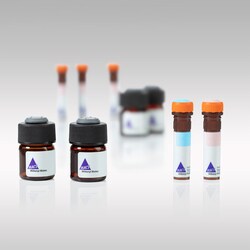
Donkey Secondary Antibodies
- (26)
- (4)
- (15)
- (4)
- (12)
- (6)
- (8)
- (2)
- (15)
- (4)
- (2)
- (4)
- (8)
- (4)
- (4)
- (8)
- (3)
- (3)
- (44)
- (61)
- (8)
- (1)
- (1)
- (21)
- (11)
- (18)
- (20)
- (20)
- (6)
- (18)
- (15)
- (11)
- (9)
- (52)
- (9)
- (78)
- (4)
- (24)
- (2)
- (2)
- (23)
- (4)
- (4)
- (4)
- (31)
- (26)
- (1)
- (1)
- (1)
- (1)
- (1)
- (6)
- (16)
- (16)
- (16)
- (66)
- (1)
- (781)
- (2)
- (1)
- (21)
- (9)
- (3)
- (142)
- (31)
- (2)
- (77)
- (218)
- (20)
- (38)
- (6)
- (10)
- (8)
- (2)
- (1)
- (1)
- (69)
- (4)
- (1)
- (1)
- (3)
- (3)
- (1)
- (1)
- (1)
- (22)
- (86)
- (2)
- (4)
- (778)
- (15)
- (14)
- (37)
- (451)
- (250)
- (87)
- (37)
- (212)
- (223)
- (20)
- (31)
- (416)
- (62)
- (161)
- (62)
- (46)
- (2)
- (3)
- (5)
- (4)
- (520)
Filtered Search Results
Biotium Desmoglein-3 (Squamous Cell Marker)(DSG3/2796), CF647 conjugate, 0.1mg/mL
Recognizes a protein of 130 kDa, identified as Desmoglein-3 (DSG3). This MAb is highly specific to Desmoglein-3 and does not cross-react with other members of the Desmoglein-family. DSG3 is a calcium-binding transmembrane glycoprotein component of desmosomes in vertebrate epithelial cells. Research has shown that DSG3 has a very high sensitivity (80%) and specificity (100%) in recognizing squamous cell carcinoma (SqCC). Therefore, DSG3 is considered a very important marker for lung SqCC and can be a useful ancillary marker to separate SqCC from other subtypes of lung cancer. Moreover, studies have shown that DSG3 expression in lung SqCC may indicate a poor prognosis. Primary antibodies are available purified, or with a selection of fluorescent CF Dyes and other labels. CF Dyes offer exceptional brightness and photostability. Note: Conjugates of blue fluorescent dyes like CF405S and CF405M are not recommended for detecting low abundance targets, because blue dyes have low
Non-distribution item offered as a customer accommodation; additional freight charges may apply.
Learn More
Biotium Rb1 (Tumor Suppressor Protein) (1F8), CF647 conjugate, 0.1mg/mL
This antibody recognizes a 105 kDa phosphoprotein, identified as retinoblastoma (Rb) gene product. Its epitope is localized between aa 703-772. It shows no cross reaction with p107 or p130. It specifically stains the nuclei of BT-20 cells and primary human foreskin fibroblast (HFF) cells. It does not stain the Rb-negative BT549 cells. It reacts with the hyperphosphorylated as well as the un (under) phosphorylated form of the Rb protein. Retinoblastoma gene product plays a key role in cell cycle control. It has been identified as a tumor suppressor gene whose loss of its function leads to tumor development. It is widely expressed in a variety of human tissues including breast, esophageal, squamous cell and cervical carcinoma.Primary antibodies are available purified, or with a selection of fluorescent CF Dyes and other labels. CF Dyes offer exceptional brightness and photostability. Note: Conjugates of blue fluorescent dyes like CF405S and CF405M are not recommended for d
Non-distribution item offered as a customer accommodation; additional freight charges may apply.
Learn More
Biotium MART-1 / Melan-A / MLANA (Melanoma Marker) (rMLANA/788), CF647 conjugate, 0.1mg/mL
This antibody recognizes a protein doublet of 20-22 kDa, identified as MART-1 (Melanoma Antigen Recognized by T cells 1) or Melan-A. MART-1 is a newly identified melanocyte differentiation antigen recognized by autologous cytotoxic T lymphocytes. Seven other melanoma associated antigens recognized by autologous cytotoxic T cells include MAGE-1, MAGE-3, tyrosinase, gp100, gp75, BAGE-1, and GAGE-1. Subcellular fractionation shows that MART-1 is present in melanosomes and endoplasmic reticulum. This MAb labels melanomas and other tumors showing melanocytic differentiation. It is also a useful positive-marker for angiomyolipomas. It does not stain tumor cells of epithelial, lymphoid, glial, or mesenchymal origin.Primary antibodies are available purified, or with a selection of fluorescent CF Dyes and other labels. CF Dyes offer exceptional brightness and photostability. Note: Conjugates of blue fluorescent dyes like CF405S and CF405M are not recommended for detecting low abu
Non-distribution item offered as a customer accommodation; additional freight charges may apply.
Learn More
Biotium FSH beta(FSHb/1062), CF647 conjugate, 0.1mg/mL
This MAb reacts with a protein of 22 kDa, identified as beta sub-unit of FSH. It does not cross react with the alpha sub-unit. Follicle stimulating hormone (FSH) is a hormone synthesized and secreted by gonadotrophs in the anterior pituitary gland. In the ovary, FSH stimulates the growth of immature Graafian follicles to maturation. As the follicle grows, it releases inhibin, which deactivates the FSH production. In men, FSH enhances the production of androgen-binding protein by the Sertoli cells of the testis and is critical for spermatogenesis. FSH and LH act synergistically in reproduction. FSH is a useful marker in the classification of pituitary tumors and the study of pituitary disease.Primary antibodies are available purified, or with a selection of fluorescent CF Dyes and other labels. CF Dyes offer exceptional brightness and photostability. Note: Conjugates of blue fluorescent dyes like CF405S and CF405M are not recommended for detecting low abundance targets, b
Non-distribution item offered as a customer accommodation; additional freight charges may apply.
Learn More
Biotium BMI1 (Oncogene and Stem Cell Marker)(BMI1/2823), CF647 conjugate, 0.1mg/mL
The B cell-specific moloney murine leukemia virus integration site 1 (Bmi-1) is a transcriptional receptor of the polycomb gene family involved in several cellular processes including cell-cycle regulation, apoptosis, and maintenance of adult and neoplastic stem cells by providing self-renewal capacity. Further, Bmi-1 expression has been associated with malignant transformation, tumor progression, metastatic disease, and poor prognosis in human malignancies. Primary antibodies are available purified, or with a selection of fluorescent CF Dyes and other labels. CF Dyes offer exceptional brightness and photostability. Note: Conjugates of blue fluorescent dyes like CF405S and CF405M are not recommended for detecting low abundance targets, because blue dyes have lower fluorescence and can give higher non-specific background than other dye colors.
Non-distribution item offered as a customer accommodation; additional freight charges may apply.
Learn More
Biotium CD20(93-1B3), CF647 conjugate, 0.1mg/mL
Recognizes a protein of 30-33 kDa, which is identified as CD20 (Workshop V; Code CD20.4). It is a non-Ig differentiation antigen of B-cells and its expression is restricted to normal and neoplastic B-cells, being absent from all other leukocytes and tissues. CD20 is expressed by pre B-cells and persists during all stages of B-cell maturation but is lost upon terminal differentiation into plasma cells. The protein passes through the membrane 4 times with both ends in cytoplasm and exposes one short and one longer loop to the external environment. CD20 is not glycosylated in resting B-cells and its cytoplasmic domains are differentially phosphorylated upon activation. It acts as calcium channel involved in B cell activation and cell cycle progression.Primary antibodies are available purified, or with a selection of fluorescent CF Dyes and other labels. CF Dyes offer exceptional brightness and photostability. Note: Conjugates of blue fluorescent dyes like CF405S and CF405M
Non-distribution item offered as a customer accommodation; additional freight charges may apply.
Learn More
Biotium Cyclin D2(CCND2/2620), CF647 conjugate, 0.1mg/mL
Cyclins are a family of proteins that control how cells proceed through the multi-step cycle of cell division. Cyclin D2 helps to regulate a step in the cycle called the G1-S transition, in which the cell moves from the G1 phase, when cell growth occurs, to the S phase, when the cell's DNA is copied (replicated) in preparation for cell division. Cyclin D2's role in the cell division cycle makes it a key controller of the rate of cell growth and division (proliferation) in the body. Primary antibodies are available purified, or with a selection of fluorescent CF Dyes and other labels. CF Dyes offer exceptional brightness and photostability. Note: Conjugates of blue fluorescent dyes like CF405S and CF405M are not recommended for detecting low abundance targets, because blue dyes have lower fluorescence and can give higher non-specific background than other dye colors.

Non-distribution item offered as a customer accommodation; additional freight charges may apply.
Learn More
Biotium DNMT3A / DNA Methyltransferase 3 Alpha (PCRP-DNMT3A-1E2), CF647 conjugate, 0.1mg/mL
The specificity of this monoclonal antibody to its intended target was validated by HuProt™Array, containing more than 19,000, full-length human proteins. DNMT3A is required for genome-wide de novo methylation and is essential for the establishment of DNA methylation patterns during development. DNA methylation is coordinated with methylation of histones. It modifies DNA in a non-processive manner and also methylates non-CpG sites. May preferentially methylate DNA linker between 2 nucleosomal cores and is inhibited by histone H1. Plays a role in paternal and maternal imprinting. Required for methylation of most imprinted loci in germ cells. Acts as a transcriptional corepressor for ZBTB18. Recruited to trimethylated 'Lys-36' of histone H3 (H3K36me3) sites. Can actively repress transcription through the recruitment of HDAC activity.Primary antibodies are available purified, or with a selection of fluorescent CF Dyes and other labels. CF Dyes offer exceptional brightness
Non-distribution item offered as a customer accommodation; additional freight charges may apply.
Learn More
Biotium Creatine Phosphokinase-BB (CK-BB)(CPTC-CKB-2), CF647 conjugate, 0.1mg/mL
Creatine kinases (CK) are a large family of isoenzymes that regulate levels of ATP in subcellular compartments, where they provide ATP at sites of fluctuating energy demand by the transfer of phosphates between creatine and adenine nucleotides. CKs provide the energy of phosphate hydrolysis necessary to drive the normal function of many cellular systems. In cells, the cytosolic CK enzymes consist of two subunits, which can be either B (brain type) or M (muscle type). There are three different isoenzymes: CKMM, CKBB and CKMB. This MAb recognizes the CKBB isoenzyme and does not react with the B subunit in CKMB. Primary antibodies are available purified, or with a selection of fluorescent CF Dyes and other labels. CF Dyes offer exceptional brightness and photostability. Note: Conjugates of blue fluorescent dyes like CF405S and CF405M are not recommended for detecting low abundance targets, because blue dyes have lower fluorescence and can give higher non-specific background than
Non-distribution item offered as a customer accommodation; additional freight charges may apply.
Learn More
Biotium S100B (Astrocyte and Melanoma Marker) (S100B/1706R), CF647 conjugate, 0.1mg/mL
S100A and S100B proteins are two members of the S100 family of calcium binding proteins. S100A is composed of an alpha and a beta chain whereas S100B is composed of two beta chains. This antibody is specific against an epitope located on the beta-chain (i.e. in S-100A and S-100B) but not on the alpha-chain of S-100 (i.e. in S-100A and S100A0). This antibody can be used to localize S-100A and S-100B in various tissue sections. S-100 protein has been found in normal melanocytes, Langerhans cells, histiocytes, chondrocytes, lipocytes, skeletal and cardiac muscle, Schwann cells, epithelial and myoepithelial cells of the breast, salivary and sweat glands, as well as in glial cells. Neoplasms derived from these cells also express S-100 protein, albeit non-uniformly. A large number of well-differentiated tumors of the salivary gland, adipose and cartilaginous tissue, and Schwann cell-derived tumors express S-100 protein. Almost all malignant melanomas and cases of histiocytosis X ar
Non-distribution item offered as a customer accommodation; additional freight charges may apply.
Learn More
Biotium MART-1 / Melan-A / MLANA (Melanoma Marker) (MLANA/1761R), CF647 conjugate, 0.1mg/mL
This antibody recognizes a protein doublet of 20-22 kDa, identified as MART-1 (Melanoma Antigen Recognized by T cells 1) or Melan-A. MART-1 is a newly identified melanocyte differentiation antigen recognized by autologous cytotoxic T lymphocytes. Seven other melanoma associated antigens recognized by autologous cytotoxic T cells include MAGE-1, MAGE-3, tyrosinase, gp100, gp75, BAGE-1, and GAGE-1. Subcellular fractionation shows that MART-1 is present in melanosomes and endoplasmic reticulum. This MAb labels melanomas and other tumors showing melanocytic differentiation. It is also a useful positive-marker for angiomyolipomas. It does not stain tumor cells of epithelial, lymphoid, glial, or mesenchymal origin.Primary antibodies are available purified, or with a selection of fluorescent CF Dyes and other labels. CF Dyes offer exceptional brightness and photostability. Note: Conjugates of blue fluorescent dyes like CF405S and CF405M are not recommended for detecting low a
Non-distribution item offered as a customer accommodation; additional freight charges may apply.
Learn More
Biotium NOX4 / NADPH Oxidase 4 (NOX4/1245), CF647 conjugate, 0.1mg/mL
The superoxide-generating NADPH oxidase includes a membrane-bound flavocytochrome containing two subunits, gp91-phox and p22-phox, and the cytosolic proteins p47-phox and p67-phox. During activation of the NADPH oxidase, p47-phox and p67-phox migrate to the plasma membrane where they associate with the flavocytochrome, cytochrome b558, to form the active enzyme complex. The p22 and gp91-phox subunits also function as surface O2 sensors that initiate cellular signaling in response to hypoxic conditions. NOX4 is a renal gp91-phox homolog highly expressed at the site of erythropoietin production in the proximal convoluted tubule epithelial cells of the renal cortex. It is also expressed in fetal tissues, placenta, glioblastoma and vascular cells.Primary antibodies are available purified, or with a selection of fluorescent CF Dyes and other labels. CF Dyes offer exceptional brightness and photostability. Note: Conjugates of blue fluorescent dyes like CF405S and CF405M are no
Non-distribution item offered as a customer accommodation; additional freight charges may apply.
Learn More
Biotium IDH1(IDH1/1152), CF647 conjugate, 0.1mg/mL
This antibody recognizes a 45 kDa protein, which is identified as isocitrate dehydrogenase (IDH1). It belongs to the isocitrate and isopropylmalate dehydrogenases family. IDH1 catalyzes the third step of the citric acid cycle, which involves the oxidative decarboxylation of isocitrate, forming alpha-ketoglutarate and CO2 in a two-step reaction. The first step involves the oxidation of isocitrate to the intermediate oxalosuccinate, while the second step involves the production of alpha-ketoglutarate. During this process, either NADH or NADPH is produced along with CO2. Recently, an inactivating mutation of IDH1 has been implicated in glioblastoma. IDH1 appears to function as a tumor suppressor that, when mutationally inactivated, contributes to tumorigenesis in part through induction of the HIF-1 pathway.Primary antibodies are available purified, or with a selection of fluorescent CF Dyes and other labels. CF Dyes offer exceptional brightness and photostability. Note: Conjugat
Non-distribution item offered as a customer accommodation; additional freight charges may apply.
Learn More
Biotium Ferritin, Light Chain (Node-Negative Breast Tumor Prognostic Marker)(rFTL/1388), CF647 conjugate, 0.1mg/mL
Mammalian ferritins consist of 24 subunits made up of 2 types of polypeptide chains, ferritin heavy chain and ferritin light chain. Ferritin heavy chains catalyze the first step in iron storage, the oxidation of Fe (II), whereas ferritin light chains promote the nucleation of ferrihydrite, enabling storage of Fe (III). Light chain ferritin is involved in cataracts by at least two mechanisms, hereditary hyperferritinemia cataract syndrome, in which light chain ferritin is overexpressed, and oxidative stress, an important factor in the development of ageing-related cataracts. Primary antibodies are available purified, or with a selection of fluorescent CF Dyes and other labels. CF Dyes offer exceptional brightness and photostability. Note: Conjugates of blue fluorescent dyes like CF405S and CF405M are not recommended for detecting low abundance targets, because blue dyes have lower fluorescence and can give higher non-specific background than other dye colors.
Non-distribution item offered as a customer accommodation; additional freight charges may apply.
Learn More
Biotium HLA-Pan (MHC II)(rHLA-Pan/3475), CF647 conjugate, 0.1mg/mL
Reacts with a common epitope of human major histocompatibility (MHC) class II antigens, HLA-DP, -DQ and -DR. Human MHC class II antigens are transmembrane glycoproteins composed of an alpha chain (36 kDa) and a beta chain (27 kDa). They are expressed primarily on antigen presenting cells such as B lymphocytes, monocytes, macrophages, and thymic epithelial cells and are also present on activated T lymphocytes. Human MHC class II genes are located in the HLA-D region that encodes at least six alpha and ten beta chain genes. Three loci, DR, DQ and DP, encode the major expressed products of the human class II region. The human MHC class II molecules bind intracellularly processed peptides and present them to T-helper cells. They, therefore, have a critical role in the initiation of the immune response. Primary antibodies are available purified, or with a selection of fluorescent CF Dyes and other labels. CF Dyes offer exceptional brightness and photostability. Note: Conjugates
Non-distribution item offered as a customer accommodation; additional freight charges may apply.
Learn More